The current U.S. inflation rate is back in the spotlight because prices are rising faster again. According to the latest Consumer Price Index report from the U.S. Bureau of Labor Statistics, the CPI increased 0.6% in April 2026 on a seasonally adjusted basis. Over the last 12 months, the all-items CPI rose 3.8% before seasonal adjustment.
That means American households are still paying more for everyday needs like groceries, gasoline, electricity, rent, eating out, and travel. The main driver in April was energy: the energy index rose 3.8% in April and accounted for over 40% of the monthly CPI increase.
For a normal U.S. family, the current U.S. inflation rate is not just an economic number. It affects monthly budgets, savings, credit card balances, car fuel costs, and vacation plans.
Quick Answer: What Is the Current U.S. Inflation Rate?
The current U.S. inflation rate is 3.8% for the 12 months ending April 2026. CPI rose 0.6% in April, after rising 0.9% in March. Core CPI, which excludes food and energy, rose 0.4% in April and 2.8% over the year.
April 2026 CPI Snapshot
| Category | Monthly Change | 12-Month Change |
|---|---|---|
| All items CPI | +0.6% | +3.8% |
| Core CPI | +0.4% | +2.8% |
| Food | +0.5% | +3.2% |
| Food at home | +0.7% | +2.9% |
| Food away from home | +0.2% | +3.6% |
| Energy | +3.8% | +17.9% |
| Gasoline | +5.4% | +28.4% |
| Electricity | +2.1% | +6.1% |
| Shelter | +0.6% | +3.3% |
| Airline fares | +2.8% | +20.7% |
These numbers show why inflation feels different for different households. A person who drives daily may feel gasoline inflation more. A renter may feel shelter inflation more. A family with kids may feel grocery inflation more.
CPI Chart: What Is Rising the Most?
U.S. CPI 12-Month Inflation: April 2026

Gasoline              +28.4%   ████████████████████████████
Airline fares         +20.7%   █████████████████████
Energy                +17.9%   ██████████████████
Electricity            +6.1%   ██████
Food away from home    +3.6%   ████
All items CPI          +3.8%   ████
Shelter                +3.3%   ███
Food                   +3.2%   ███
Core CPI               +2.8%   ███
Food at home           +2.9%   ███
The chart makes one thing clear: the current U.S. inflation rate is being pushed heavily by energy, gasoline, and travel-related costs. Overall CPI is 3.8%, but gasoline is up 28.4% and airline fares are up 20.7% year over year.
Why the Current U.S. Inflation Rate Matters
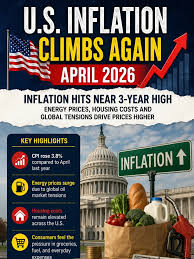
The current U.S. inflation rate matters because inflation reduces purchasing power. When prices rise, the same paycheck buys less.
For example, if a household spends $5,000 per month, a 3.8% inflation rate can mean roughly:
Monthly spending: $5,000
Inflation impact at 3.8%: $190/month
Annual extra cost: $2,280/year
This is a simple estimate, but it helps explain why many Americans feel financially stretched even if inflation is lower than the extreme levels seen in previous years.
The Federal Reserve’s long-term inflation goal is 2%, measured by the Personal Consumption Expenditures price index. The Fed says 2% inflation is most consistent with maximum employment and price stability.
So when CPI is running at 3.8%, inflation is still above the level policymakers want.
Energy Prices Are Driving Inflation Higher
Energy was the biggest reason CPI moved higher in April. The energy index rose 3.8% for the month after jumping 10.9% in March. Gasoline rose 5.4% in April, electricity rose 2.1%, and fuel oil rose 5.8%. Natural gas was the only major energy category that fell, declining 0.1% for the month.
Over the past 12 months, energy prices rose 17.9%, gasoline rose 28.4%, electricity rose 6.1%, and natural gas rose 3.0%.
This is important because energy prices affect more than just the gas pump. Higher energy costs can increase the cost of:
- Driving to work
- Shipping goods
- Food delivery
- Airline tickets
- Utility bills
- Business operating costs
That is why the current U.S. inflation rate feels painful for commuters, delivery drivers, small businesses, and families living in car-dependent areas.
Gas Price Example: Why Drivers Feel the Pressure
Reuters reported that Americans were paying an average of about $4.52 per gallon for regular gasoline as of May 18, 2026, citing AAA data. The same report noted that many Americans were cutting back on driving or using public transit because fuel costs had jumped sharply.
Here is a simple gas budget example:
Car fuel tank: 15 gallons

At $3.00/gallon:
15 gallons × $3.00 = $45.00

At $4.52/gallon:
15 gallons × $4.52 = $67.80

Extra cost per fill-up:
$67.80 - $45.00 = $22.80

If you fill up 4 times/month:
$22.80 × 4 = $91.20 extra per month

Annual extra cost:
$91.20 × 12 = $1,094.40
This is why the current U.S. inflation rate feels much higher for people who drive long distances every day.
Food Prices Are Still Pressuring U.S. Families
Food inflation is another major household concern. In April 2026, food prices rose 0.5% for the month and 3.2% over the year. Food at home rose 0.7% for the month and 2.9% over the year, while food away from home rose 0.2% for the month and 3.6% over the year.
Inside grocery stores, some categories increased more than others:
| Grocery Category | 12-Month Change |
|---|---|
| Fruits and vegetables | +6.1% |
| Nonalcoholic beverages | +5.1% |
| Cereals and bakery products | +2.6% |
| Meats, poultry, fish, and eggs | +1.5% |
| Dairy and related products | -0.6% |
A family that spends $900 per month on groceries may feel even a small percentage increase.
Monthly grocery bill: $900
Food inflation: 3.2%

Extra monthly cost:
$900 × 3.2% = $28.80

Extra yearly cost:
$28.80 × 12 = $345.60
The current U.S. inflation rate is especially hard on families because groceries are not optional. People can delay travel, shopping, or entertainment, but they cannot stop buying food.
Shelter Costs Remain Sticky
Shelter is one of the biggest parts of CPI because housing is usually the largest monthly expense for Americans. In April, shelter rose 0.6% for the month and 3.3% over the year. Rent and owners’ equivalent rent both increased 0.5% in April.
This matters because housing inflation is sticky. Gasoline prices can move up and down quickly, but rent usually does not fall quickly once it rises.
For example:
Monthly rent: $2,000
Shelter inflation: 3.3%

Estimated extra annual cost:
$2,000 × 3.3% × 12 = $792/year
This is why renters often feel the current U.S. inflation rate more deeply than the headline number suggests.
Travel Costs Are Rising Fast
Travel is another area where prices are rising faster than overall inflation. Airline fares rose 2.8% in April and 20.7% over the year. Lodging away from home rose 2.4% in April.
This means summer travel, business trips, holiday flights, and family vacations may cost more in 2026.
A family planning a trip may face higher costs in multiple areas:
Flight tickets:        Higher airline fares
Hotel stay:            Higher lodging costs
Gasoline:              Higher fuel prices
Restaurants:           Higher food-away-from-home costs
Local transport:       Higher taxi/rideshare costs
That is why the current U.S. inflation rate is not only about groceries and rent. It also affects lifestyle spending, vacations, and family travel decisions.
Core Inflation Shows the Pressure Is Broader
Some people may say inflation is only high because energy prices rose. Energy is definitely a big driver, but core inflation shows that price pressure is broader.
Core CPI, which excludes food and energy, increased 0.4% in April and 2.8% over the past 12 months. The BLS reported monthly increases in shelter, household furnishings and operations, airline fares, personal care, apparel, and education.
This matters because the Federal Reserve watches underlying inflation carefully. If core inflation stays high, interest rates may stay higher for longer.
How the Current U.S. Inflation Rate Affects Monthly Budgets
Here is a realistic household example:
Monthly household budget before inflation pressure

Rent or mortgage:       $2,200
Groceries:                $900
Gas and transportation:   $350
Utilities:                $280
Dining out:               $300
Travel savings:           $250
Total:                  $4,280
Now assume prices rise in major categories:
Rent/shelter pressure:       +$73
Groceries pressure:          +$29
Gas pressure:                +$75 to $100
Dining/travel pressure:      +$30 to $60

Estimated monthly pressure:  $207 to $262
Estimated annual pressure:   $2,484 to $3,144
This example shows why the current U.S. inflation rate matters even when it looks like “only” 3.8%. The real pain depends on what a household spends money on every month.
What This Means for Credit Cards and Debt
Inflation can push families toward credit cards when income does not keep up with rising costs. A household may use credit cards for groceries, gas, car repairs, or travel. That can become dangerous if the balance is not paid in full.
For example:
Extra monthly inflation pressure: $250
If paid by credit card for 12 months:
$250 × 12 = $3,000 new debt

If interest is high:
The real cost becomes even larger.
The current U.S. inflation rate can therefore create a second problem: higher living costs today and higher debt payments tomorrow.
What Americans Can Do Right Now
Here are practical steps U.S. households can take:
1. Track groceries and gas weekly
Do not wait until the end of the month. Food and fuel are moving fast, so weekly tracking gives better control.
2. Build a small emergency fund
Start with $500 to $1,000. Even a small emergency fund can reduce the need to use credit cards.
3. Avoid carrying credit card balances
Using a credit card is fine if it is paid in full. Carrying balances during inflation can make financial pressure worse.
4. Compare gas prices
Use gas price apps, warehouse clubs, reward programs, and route planning. A few cents per gallon can add up over the year.
5. Travel with flexible dates
Because airline fares are up 20.7% year over year, flexible travel dates can save serious money.
6. Review subscriptions
Cut unused subscriptions, premium apps, streaming services, and memberships. Inflation makes small recurring expenses more important.
Final Thoughts
The current U.S. inflation rate is 3.8%, and the April CPI report shows that energy prices are the biggest driver right now. CPI rose 0.6% in April, energy rose 3.8%, gasoline rose 5.4% for the month, and food prices rose 0.5%. Over the past 12 months, gasoline is up 28.4%, energy is up 17.9%, food is up 3.2%, shelter is up 3.3%, and airline fares are up 20.7%.
For American households, this is not just an inflation report. It is a budget warning.
The smart move is to track spending, protect cash flow, avoid high-interest debt, and adjust before prices create bigger financial stress. The next CPI report for May 2026 is scheduled for June 10, 2026, so the April CPI report is the latest official inflation reading available right now.
Related money guides: Want more simple explanations about inflation, debt, household budgets, and U.S. money trends? Visit our FinanceWithDevel homepage for more beginner-friendly finance guides.

“Hi, I am Devel Gupta, an entrepreneur and the founder of FinanceWithDevel. With 10 years of experience in teaching and simplifying personal finance, my mission is to help beginners build long-term wealth without the confusing jargon. Whether it’s budgeting, investing, or retirement planning, I believe financial freedom starts with simple, consistent habits. Let’s make money make sense. Connect with me on [ LinkedIn/Twitter ] for more daily tips!”