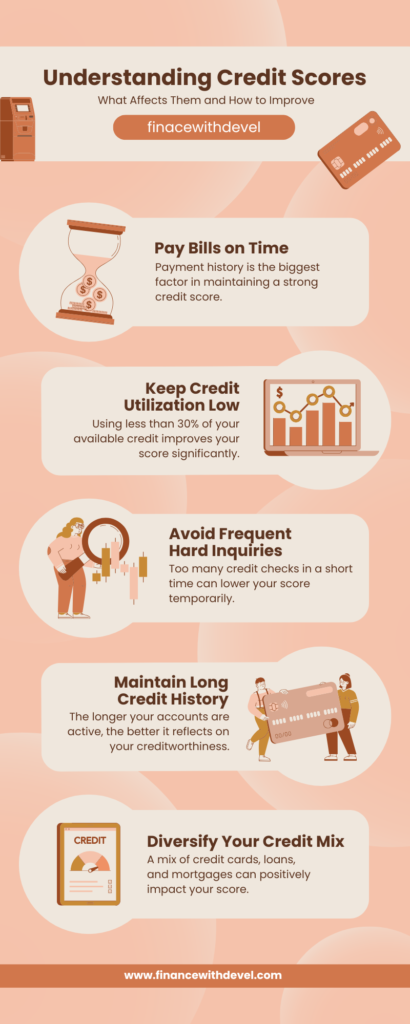
Your credit score is like your financial report card, but here’s the funny part: many people only check it when they are about to apply for a credit card, car loan, apartment, or mortgage. That is a mistake. If you wait until a lender checks it, you may discover problems too late. The good news is that there are several simple ways to view your credit score, and many of them are free.
According to USA Gov, there are four main ways to get your credit score: checking your credit or loan statements, talking to a credit or housing counselor, using a credit score service, or buying your score from Equifax, Experian, or TransUnion.
Why It Matters to View Your Credit Score
Before you learn the four ways to view your credit score, understand why it matters. A credit score helps lenders estimate how likely you are to repay borrowed money on time. The CFPB explains that credit scores can affect whether you qualify for a mortgage, credit card, loan, interest rate, and credit limit.
Think of your credit score like a financial first impression. A stronger score may help you qualify for better rates, while a weaker score may cost you more money over time. That is why it is smart to view your credit score regularly, not obsessively, but consistently.
The Four Main Ways to View Your Credit Score
| Method | Usually Free? | Best For |
|---|---|---|
| Credit card or loan statement | Yes | Quick monthly checking |
| Credit or housing counselor | Often free | Help understanding your score |
| Credit score service | Often free or paid | Monitoring and alerts |
| Buying from a credit bureau | Paid or sometimes bundled | Direct bureau access |
1. Check Your Credit Card or Loan Statement
The easiest way to view your credit score is through your existing credit card, auto loan, student loan, or bank account. Many major credit card companies and lenders show a credit score inside your monthly statement or online account dashboard, according to the CFPB.
This method is convenient because you do not need to create a new account somewhere else. You simply log in, open your dashboard, and look for sections like “Credit Score,” “Credit Health,” or “FICO Score.” Some banks update the score monthly, while others may update it more or less often.
The only catch is that not every lender shows the same type of score. One card may show a FICO Score, while another may show a Vantage Score or educational score. That does not mean the score is useless. It simply means you should treat it like a direction indicator, not a perfect number.
2. Talk to a Credit or Housing Counselor
Another way to view your credit score is by talking to a nonprofit credit counselor or housing counselor. This is especially useful if your credit situation feels confusing, messy, or stressful. The CFPB says nonprofit credit and housing counselors can often provide a free credit report and score and help you review them.
This method is not just about seeing a number. It is about understanding the story behind the number. For example, if your score dropped because of high credit card balances, late payments, or an account error, a counselor may help you understand what to fix first.
This can be helpful for people preparing to buy a home, recover from debt, rebuild credit, or understand why a loan application was denied. Instead of guessing, you get guidance from someone trained to explain credit reports and scores.
3. Use a Credit Score Service
The third way to view your credit score is by using a credit score service. Many apps and websites advertise free credit scores, and some also offer credit monitoring, alerts, identity protection, and score simulators. The CFPB notes that some free score services make money through advertising, while others charge fees or include scores inside paid subscriptions.
This option is popular because it feels simple. You create an account, verify your identity, and then you can view your credit score from your phone or computer. Some services also explain why your score changed, which can be useful if you recently paid down a card, opened a new account, or missed a payment.
But be careful with “free trial” offers. A free trial may turn into a monthly subscription if you do not cancel. Before signing up, check whether the service is truly free, what score model it shows, whether it requires a credit card, and whether it includes paid add-ons.
4. Buy Your Score From a Credit Bureau or Scoring Company
The fourth way to view your credit score is to buy it directly from a major credit bureau or scoring company. USA Gov lists Equifax, Experian, and TransUnion as the three major credit reporting agencies from which consumers may buy a score.
You may also buy certain FICO Scores through paid services. This can be helpful if you want a more specific score type before applying for a big loan. For example, mortgage lenders may use different scoring versions than credit card companies, so the score you see in one free app may not match the exact score a lender uses.
That said, most people do not need to pay every month just to view your credit score. Free sources are often enough for regular monitoring. Paid scores make more sense when you are preparing for a major credit event, such as buying a house, refinancing, or applying for a large loan.
Credit Score vs. Credit Report: Do Not Mix Them Up
Here is where many beginners get confused. Your credit score and credit report are connected, but they are not the same thing. Your credit report contains your credit history, including accounts, payment history, balances, loans, and certain public records. Your credit score is calculated using information from your credit report.
USA Gov says credit reports usually do not include your credit score. So even if you check your free credit report, you may still need another method to view your credit score.
You should check both. Your score tells you the quick number. Your report tells you the reason behind the number. If your report has errors, those errors may hurt your score. The CFPB also says errors on credit reports can reduce scores unnecessarily.
How Often Should You View Your Credit Score?
For most people, checking once a month is enough. Monthly checking helps you spot sudden drops, fraud signals, incorrect late payments, or high utilization before they become bigger problems. Checking your own score is usually considered a soft inquiry, so it does not hurt your credit score.
You should also view your credit score before applying for a mortgage, car loan, personal loan, premium credit card, or apartment lease. If your score is lower than expected, you may have time to improve it before submitting an application.
Also, check your credit reports. The FTC says the three nationwide credit bureaus have permanently extended free weekly credit reports through AnnualCreditReport.com. That does not always include a score, but it helps you catch errors and identity theft early.
Best Way to View Your Credit Score
The best method depends on your goal. If you just want a quick monthly update, check your credit card or bank account. If you want help understanding your credit, talk to a nonprofit counselor. If you want alerts and tracking, use a credit score service. If you need a specific score before a major loan, buying your score may be worth it.
My simple blogger-style advice: start with free options first. Use your bank or credit card dashboard to view your credit score, then check your credit reports for errors. Only pay if you need a deeper or more specific score.
Conclusion
The four main ways to view your credit score are simple: check your credit or loan statements, talk to a credit or housing counselor, use a credit score service, or buy your score from a major credit bureau or scoring company. The smartest approach is not just checking the number, but understanding what is behind it.
A credit score is not magic. It usually moves based on real behavior: payment history, balances, credit age, new applications, and account mix. When you view your credit score regularly and review your credit reports, you give yourself more control before lenders, landlords, or insurers make decisions about you.
Managing your budget is one of the easiest ways to avoid missed payments and protect your credit score. To build a simple monthly money plan, read this guide on 50/30/20 Budget Rule Explained: How to Save More With a Smart Budget.
FAQs
1. What is the easiest way to view your credit score?
The easiest way is usually through your credit card, bank, or loan account dashboard. Many lenders provide free score access to customers.
2. Is it free to view your credit score?
Yes, many banks, credit card companies, nonprofit counselors, and credit score services offer free ways to view your credit score. Some services charge for premium monitoring or specific score versions.
3. Does checking my own credit score hurt my score?
No, checking your own score usually counts as a soft inquiry. Soft inquiries do not hurt your credit score.
4. Why are my credit scores different on different apps?
You may have more than one score because different companies use different scoring models, credit bureau data, and update dates. The CFPB says it is normal for scores to be slightly different.
5. Should I check my credit report too?
Yes. Your credit report explains the details behind your score. Checking your report helps you find errors, fraud, or outdated information that may affect your score.

“Hi, I am Devel Gupta, an entrepreneur and the founder of FinanceWithDevel. With 10 years of experience in teaching and simplifying personal finance, my mission is to help beginners build long-term wealth without the confusing jargon. Whether it’s budgeting, investing, or retirement planning, I believe financial freedom starts with simple, consistent habits. Let’s make money make sense. Connect with me on [ LinkedIn/Twitter ] for more daily tips!”