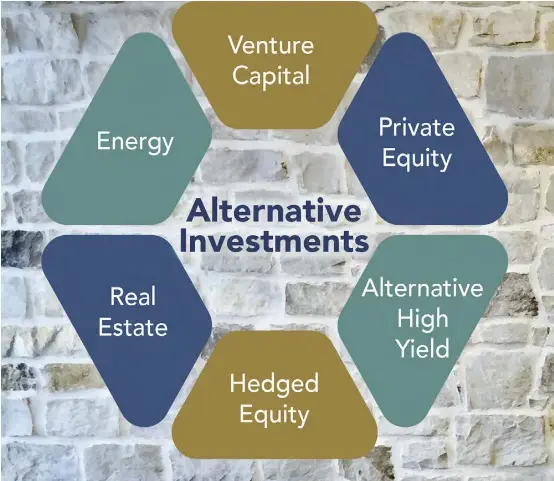
For years, investing felt simple: buy stocks, hold some bonds, keep cash for safety, and stay patient. But why are alternative assets in 2026 getting so much attention now? Many Americans are worried about inflation, market swings, high interest rates, and whether the traditional stock-and-bond portfolio is still enough. That is why investors are looking beyond regular investments and exploring real estate, gold, commodities, private credit, infrastructure, and other alternative assets.
The reason is easy to understand. Stocks can move sharply. Bonds may not always feel exciting. Cash feels safe, but inflation can reduce its buying power over time. So investors are looking at real estate, gold, crypto, private credit, commodities, infrastructure, and collectibles as possible ways to diversify.
But let’s be clear: alternatives are not magic. They can help a portfolio, but they can also be risky, expensive, illiquid, and hard to understand. FINRA says alternative and complex investment products carry risks that vary by product, and investors should read disclosures before investing.
This guide explains alternative assets 2026 in simple language for U.S. readers. You will learn what these assets are, why they are popular, which ones beginners should know, and when it is smarter to stay away.
.
Alternative assets are not the first step for every beginner. Before investing in alternative assets, you should first build a strong emergency fund and understand debt payoff strategies. Read this guide: Debt Snowball vs Avalanche.
What Are Alternative Assets?
Alternative assets are investments outside traditional stocks, bonds, and cash. If it is not a regular public stock, Treasury bond, corporate bond, savings account, or money market fund, it may fall into the alternative category.
Common examples include real estate, REITs, gold, silver, Bitcoin, crypto, private credit, private equity, hedge funds, commodities, farmland, infrastructure, art, wine, rare watches, sports cards, and other collectibles. This is why alternative assets 2026 is such a broad and interesting topic.
Some alternatives are easy to understand, like rental property or gold. Others are more complex, like private credit, private equity, or hedge funds. Some can be sold quickly, while others may lock your money for years.
The main idea is that these assets may behave differently from stocks and bonds. That can be useful when markets are uncertain. But different does not always mean safer, better, or more profitable.
Why Investors Are Looking Beyond Stocks and Bonds
Many people are searching for alternative assets 2026 because they want diversification. Diversification means you do not depend on only one type of investment for your entire financial future.
Another reason is inflation. When everyday prices rise, investors often look for assets that may hold value differently, such as real estate, gold, commodities, or infrastructure.
Income is also a big attraction. Rental property, REITs, infrastructure investments, and private credit may offer cash-flow potential. That can interest investors who want more than stock-price growth.
Private markets are becoming a bigger part of the investing conversation. BlackRock’s 2026 private markets outlook says private markets are expected to play a role in infrastructure, business financing, and portfolio diversification.
J.P. Morgan’s 2026 long-term capital market assumptions discuss alternative asset classes including hedge funds, private equity, real estate, direct lending, transportation, infrastructure, and timberland. That does not mean every beginner needs them, but it shows how serious the topic has become.
1. Real Estate
Real estate is one of the most familiar alternatives. It can include rental homes, apartment buildings, commercial property, land, or vacation rentals.
Many investors like real estate because it is physical. You can see it, rent it, improve it, and potentially benefit from long-term appreciation. It may also provide monthly rental income.
But real estate is not always passive. You may deal with repairs, tenants, vacancies, insurance, taxes, legal rules, and mortgage payments. A bad location or expensive loan can turn a “dream investment” into stress.
For anyone studying alternative assets 2026, real estate is a good place to start because it is easier to understand than many complex private-market products. Still, it requires capital, patience, and cash reserves.
2. REITs
REIT stands for Real Estate Investment Trust. A REIT lets you invest in real estate without directly buying property.
REITs may own apartments, warehouses, shopping centers, offices, hospitals, hotels, data centers, or storage units. Many REITs trade on stock exchanges, so they are easier to buy and sell than physical property.
For beginners, REITs can be a practical way to explore alternative assets 2026 because they offer real estate exposure with lower upfront money and no landlord work.
But REITs are not risk-free. They can fall when interest rates rise, when property demand weakens, or when investors become nervous about real estate.
3. Gold and Precious Metals
Gold has been used as a store of value for centuries. Investors often look at gold during inflation, currency weakness, banking stress, or geopolitical uncertainty.
Gold can help diversify a portfolio because it does not always move like stocks. But it does not pay rent, interest, or dividends. Its price depends on supply, demand, investor sentiment, and macroeconomic conditions.
You can invest in gold through physical coins, bars, gold ETFs, or gold-related funds. For many beginners, gold ETFs may be simpler than storing physical gold.
In the alternative assets 2026 discussion, gold is best viewed as a diversifier, not a guaranteed money-maker.
4. Bitcoin and Crypto
Bitcoin and crypto are modern alternatives. Some investors see Bitcoin as digital gold, while others see it as a highly speculative technology asset.
Crypto can rise quickly, but it can also fall sharply. Prices can be affected by regulation, security issues, exchange problems, liquidity, and investor emotion.
That is why crypto should be handled carefully. It may deserve a small place for risk-tolerant investors, but it should not replace emergency savings, retirement accounts, or basic index funds.
For alternative assets 2026, crypto is exciting, but excitement is not the same as a financial plan.
5. Private Credit
Private credit means lending money outside the traditional banking system. Instead of a bank making the loan, private funds lend to businesses.
Investors are attracted to private credit because it may offer income. But it can also involve borrower defaults, limited transparency, leverage, and liquidity issues.
Recent reporting on the Financial Stability Board’s work has highlighted concerns around private credit links with banks, asset managers, and insurers, including transparency and liquidity risks.
So in the alternative assets 2026 conversation, private credit should be treated carefully. It is not a savings account. It is credit risk.
6. Private Equity
Private equity means investing in companies that are not publicly traded. These funds often buy, improve, and later sell businesses.
The appeal is higher growth potential. The challenge is that money may be locked for years, fees can be high, and valuations may be less transparent than public stocks.
Private equity is usually more suitable for wealthy or experienced investors. It can be powerful, but it is not beginner-friendly.
For everyday investors researching alternative assets 2026, private equity should come after the basics are already strong.
7. Commodities
Commodities include oil, natural gas, copper, wheat, corn, silver, and other raw materials. These assets are connected to the real economy.
Commodities can sometimes help during inflation because the price of raw materials may rise when goods become more expensive. But they can also be volatile.
Oil can move because of geopolitics. Agricultural commodities can move because of weather. Metals can move because of industrial demand.
For beginners, broad commodity funds may be easier than directly trading futures, which can be complex and risky.
8. Collectibles
Collectibles include art, rare watches, wine, classic cars, coins, sneakers, sports cards, and luxury items.
These are exciting because they combine passion and investing. But they are also risky. Prices can be emotional, buyers may be limited, and selling can take time.
A collectible is only worth what someone else is willing to pay. It does not produce earnings like a business or rent like property.
In alternative assets 2026, collectibles should usually be treated as a hobby first and an investment second.
Benefits of Alternative Assets
The biggest benefit is diversification. If stocks are struggling, some alternatives may behave differently. That does not mean they always rise, but they may reduce dependence on one market.
Another benefit is inflation sensitivity. Real estate, commodities, infrastructure, and precious metals may respond differently when prices rise.
Some alternatives may provide income. Rental property, REITs, infrastructure, and private credit may generate cash flow.
Alternative investments may also provide exposure to opportunities not available in public markets. That is one reason institutional investors pay attention to them.
But benefits should never be viewed alone. Every possible reward comes with risk.
Risks of Alternative Assets
The first risk is liquidity. Some alternatives are hard to sell quickly. FINRA notes that some alternative-investment structures can include redemption restrictions or lock-up periods.
The second risk is complexity. Many alternatives are harder to understand than normal index funds.
The third risk is fees. Alternative products may charge higher fees than basic ETFs or mutual funds.
The fourth risk is valuation. Public stocks trade daily, but private investments may rely on estimates.
The fifth risk is hype. People may buy crypto, collectibles, or private deals because social media makes them look easy.
That is why alternative assets 2026 should not be treated as a shortcut to wealth. They require research and discipline.
Who Should Consider Alternative Assets?
Alternative assets may make sense for investors who already have a strong foundation.
You may consider them if you have an emergency fund, no high-interest credit card debt, stable income, retirement contributions, a long-term mindset, and the ability to handle risk.
For example, someone already investing in index funds may add a small amount to REITs, gold, or Bitcoin. Someone with strong income and cash reserves may consider rental property.
The key word is small. You do not need to put half your portfolio into alternatives to benefit from them.
Who Should Avoid Alternative Assets?
You should avoid alternatives if your basic finances are weak.
If you have high-interest credit card debt, no emergency fund, unstable income, or bills you are struggling to pay, your first priority should be financial stability.
If you do not understand how an investment makes money, avoid it. If you cannot explain the risk in simple words, keep learning before investing.
If you need your money within one to three years, avoid illiquid alternatives. Short-term money should usually stay safer and easier to access.
This is one of the most important lessons of alternative assets 2026: exciting investing should come after financial stability, not before it.
How Much Should Beginners Invest?
There is no perfect number for everyone. But for many beginners, alternatives should be a small part of the portfolio.
A simple starting range could be 5% to 10%, depending on risk tolerance, income, age, and goals. Conservative investors may choose less. Aggressive investors may choose more, but only if they understand the risk.
Your core portfolio can still be built around diversified stock funds, retirement accounts, bonds, and cash reserves. Alternatives can be the smaller satellite layer.
Think of it like food. Stocks, bonds, and cash are the main meal. Alternatives are seasoning. Seasoning can improve the meal, but you do not want the whole plate to be only spices.
Best Beginner-Friendly Options
For beginners, the easiest alternatives to understand may be REITs, gold ETFs, and a very small crypto allocation if they understand volatility.
REITs can provide real estate exposure without property management. Gold ETFs can provide precious-metal exposure without storage issues. Bitcoin exposure may be suitable only for people who can tolerate big price swings.
Rental property can be useful, but it needs more money, time, and management skill. Private credit and private equity are usually more complex.
The best beginner approach to alternative assets 2026 is to start simple, study deeply, and invest slowly.
Checklist Before Investing
Before buying any alternative asset, ask these questions:
Do I understand how this investment makes money?
Can I sell it easily?
What are the fees?
What can go wrong?
How much can I lose?
Is this regulated?
Am I investing because of research or hype?
Does this fit my financial goals?
These questions can save you from bad decisions. A good investor does not buy something just because it sounds smart. A good investor understands what they own.
Common Mistakes to Avoid
One mistake in alternative assets 2026 is investing only because a product sounds exclusive. Expensive or private does not automatically mean better.
Another mistake in alternative assets 2026 is putting emergency money into illiquid products. If you may need cash soon, accessibility matters more than excitement.
A third mistake in alternative assets 2026 is copying influencers without understanding risk. Your income, debt, goals, and timeline may be completely different from theirs.
Final Verdict
Should you invest beyond stocks and bonds? Yes, but carefully.
Alternative assets can help diversify a portfolio, create income opportunities, and provide exposure outside traditional public markets. But they can also be risky, illiquid, expensive, and difficult to value.
For most everyday investors, the correct order is simple. First, build an emergency fund. Second, pay off high-interest debt. Third, contribute to retirement accounts. Fourth, build a strong core portfolio. After that, consider alternatives.
The smartest way to approach alternative assets 2026 is with balance. Do not ignore them completely, but do not blindly chase them either.
Conclusion
Stocks and bonds still matter. They remain the foundation for many long-term investors. But they are no longer the only options available.
Real estate, REITs, gold, crypto, commodities, private credit, private equity, and collectibles are all part of the modern investing conversation.
The important thing is knowing your stage. A beginner with debt and no savings does not need complex private investments. A stable investor with a long-term plan may use alternatives carefully.
At the end of the day, alternative assets 2026 is not about getting rich quickly. It is about understanding more choices and using them wisely.
Invest beyond stocks and bonds only when your foundation is strong, your goals are clear, and you understand the risks.
FAQs
1. What are alternative assets?
Alternative assets are investments outside traditional stocks, bonds, and cash. Examples include real estate, gold, crypto, private credit, commodities, REITs, and collectibles.
2. Are alternative assets good for beginners?
Some can be beginner-friendly, such as REITs or gold ETFs. Others, like private equity and private credit, may be complex and better suited for experienced investors.
3. Are alternative assets risky?
Yes. Common risks include low liquidity, high fees, difficult valuation, volatility, complexity, and lack of transparency.
4. How much should beginners invest?
Many beginners may consider a small allocation, such as 5% to 10%, depending on risk tolerance and financial stability.
5. Should I invest in alternatives before paying off debt?
Usually, no. If you have high-interest credit card debt, paying it off should generally come before risky alternative investments.

“Hi, I am Devel Gupta, an entrepreneur and the founder of FinanceWithDevel. With 10 years of experience in teaching and simplifying personal finance, my mission is to help beginners build long-term wealth without the confusing jargon. Whether it’s budgeting, investing, or retirement planning, I believe financial freedom starts with simple, consistent habits. Let’s make money make sense. Connect with me on [ LinkedIn/Twitter ] for more daily tips!”
Pingback: Why Is Gold So Expensive in India? 8 key reasons